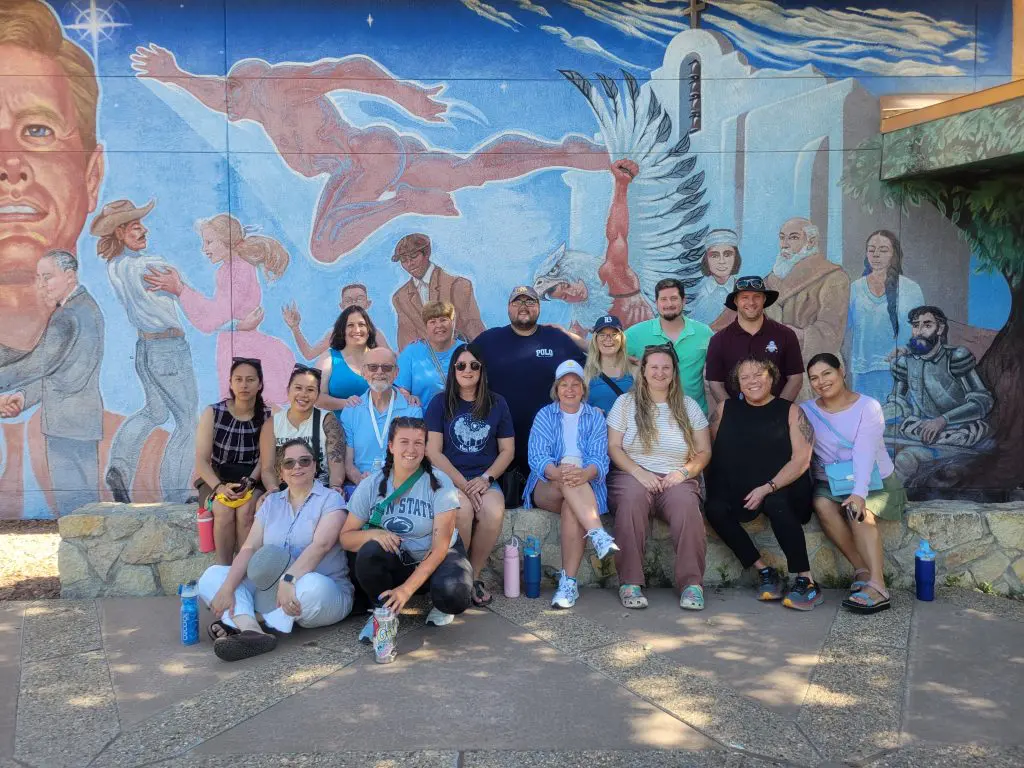
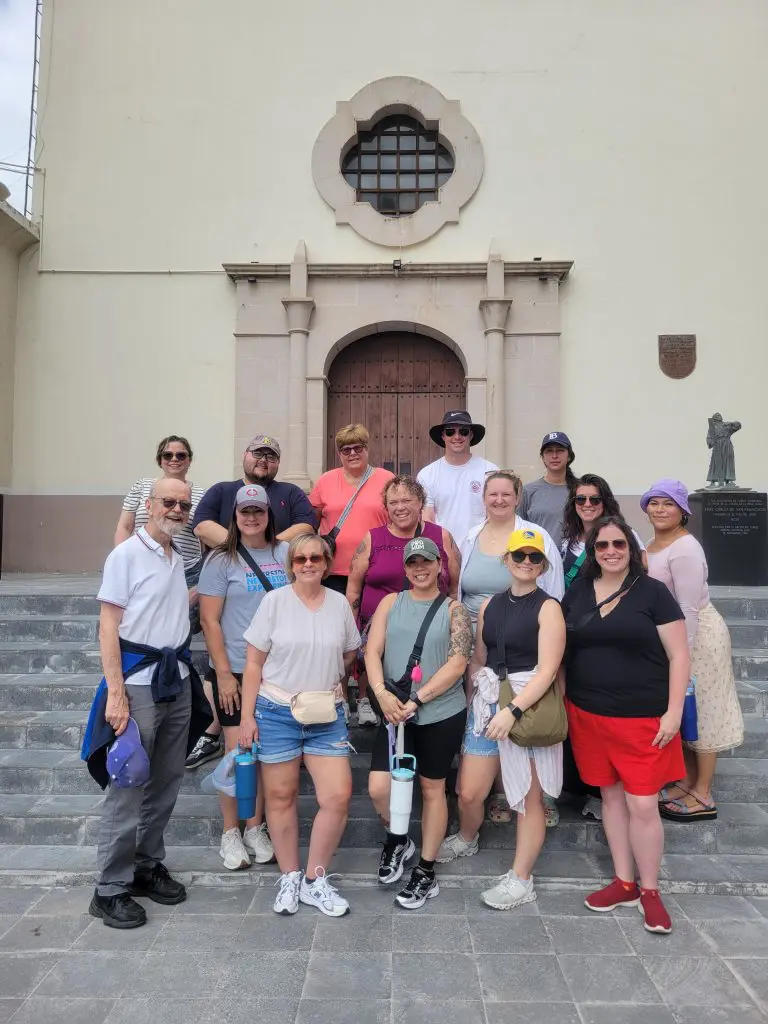
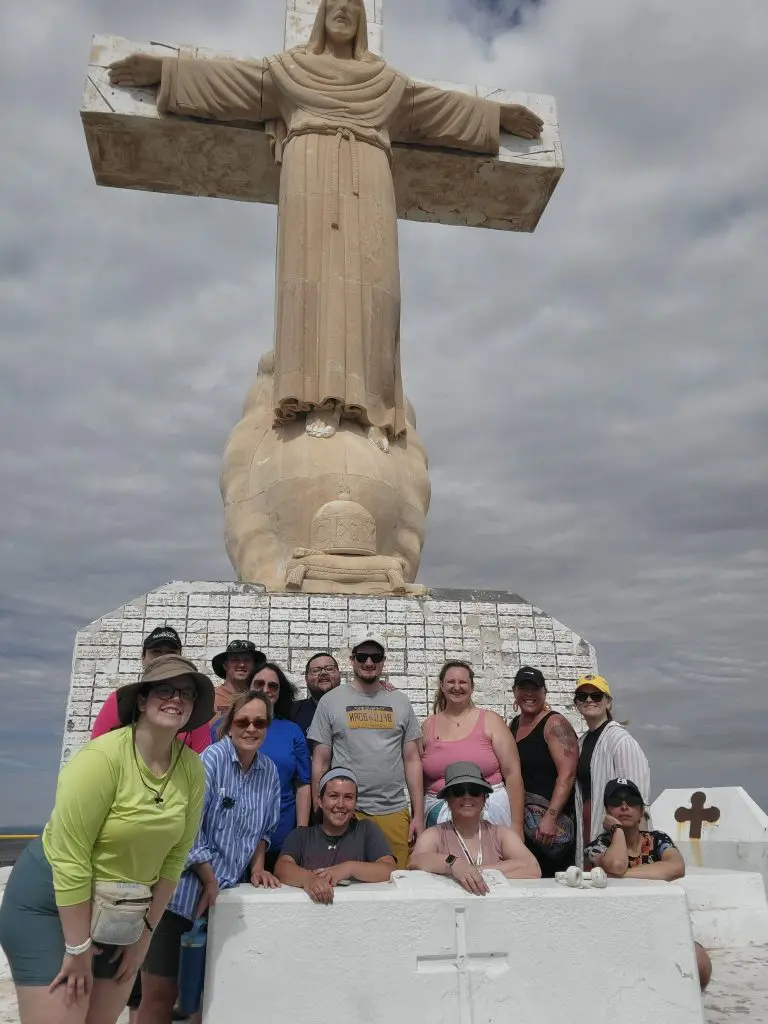
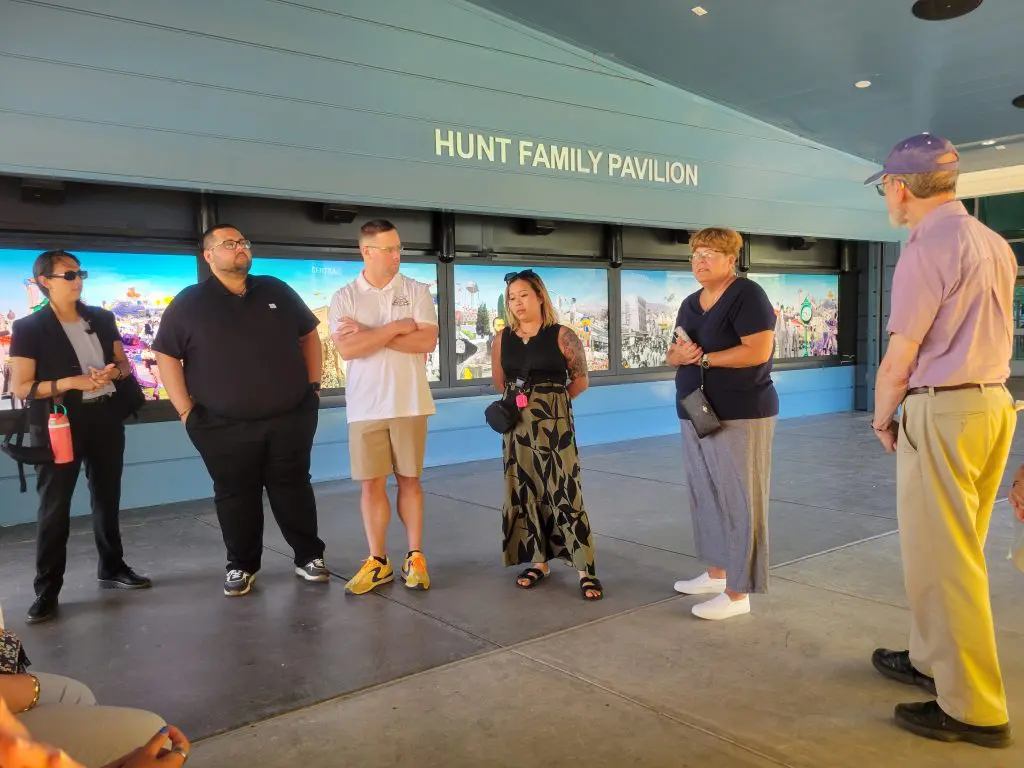
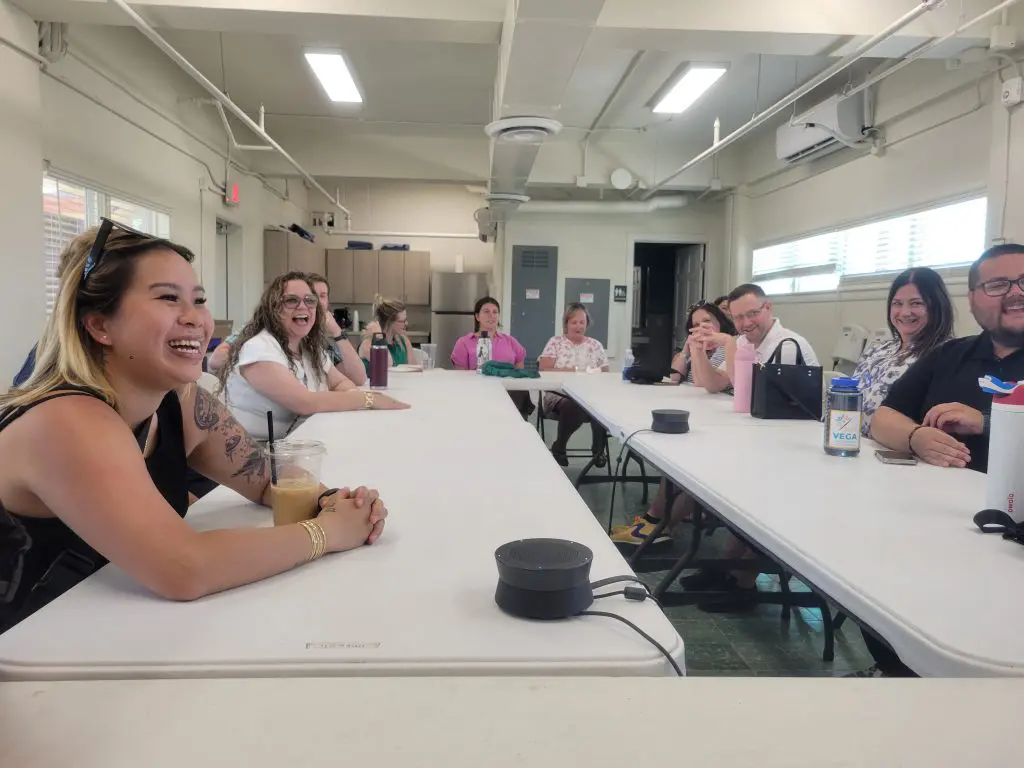
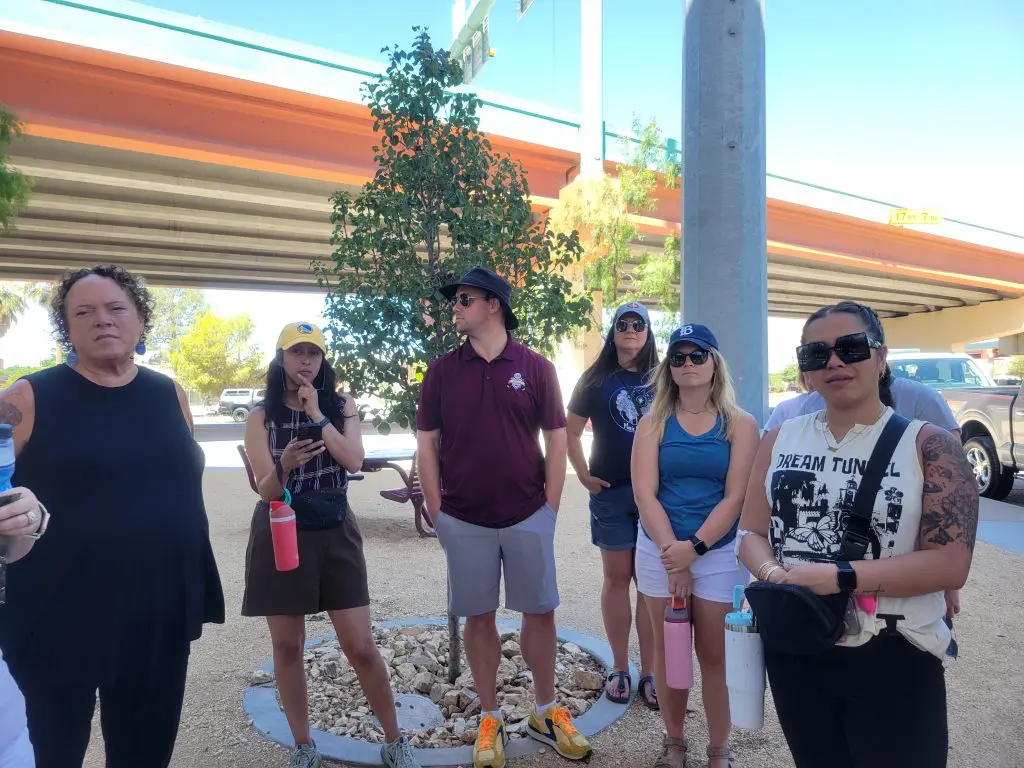
Hearts were transformed during this summer’s powerful Lasallian Social Justice Institute (LSJI) in El Paso, Texas. The weeklong program, facilitated by Yolanda Franco and Sarah Laitinen, was themed “El Otro Lado,” meaning “the other side,” and allowed participants to learn about different aspects of historical, cultural and legal contexts that contribute to the complex realities of immigration.


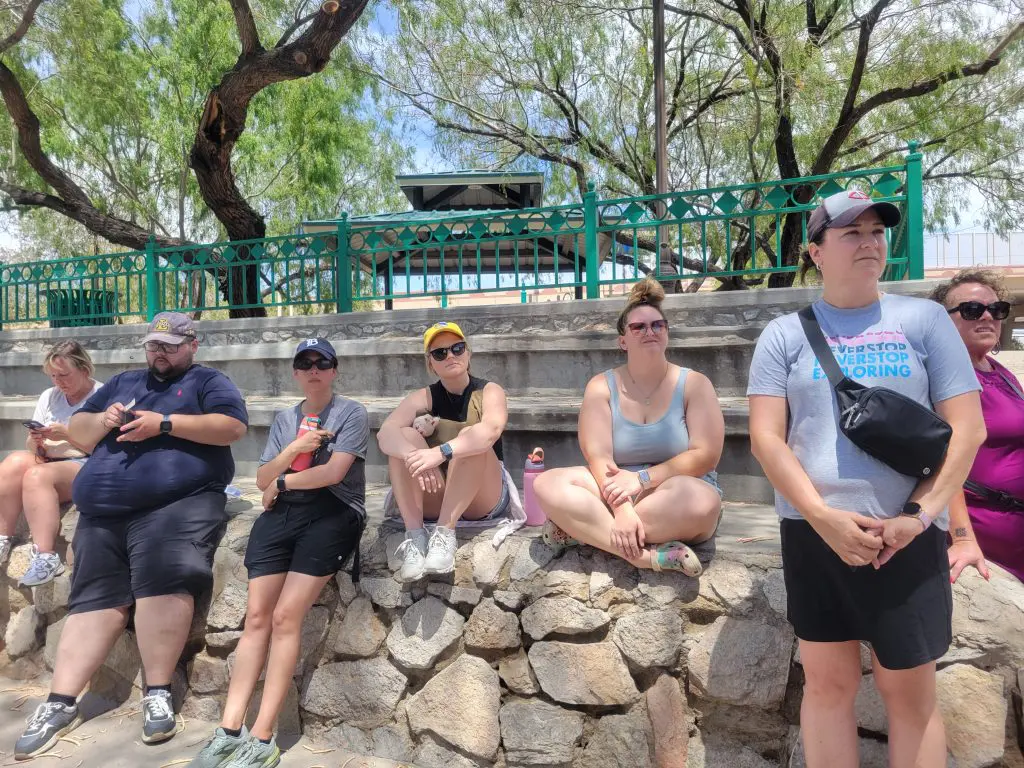

“Immersive, powerful, educational,” said Ivy Wick, content developer for Saint Mary’s Press, in describing her formation experience.
LSJI is a formation experience for the Lasallian Region of North America that is rooted in the Gospel and Lasallian vocational call to social justice and service to the poor. This year explored the call to the peripheries and contemplated the question, “Where is my brother?” The immersive program fostered authenticity, empathy and strengthened solidarity with those in the borderlands through experiential, educational, creative, practical and reflective learning.
Early on in the program, which took place July 21-26, local historian Dr. David Romo gave a brief history on El Paso through passed-down family stories and spoke of larger systems of injustice that traditionally are not included in U.S. history textbooks.
Wick reflected, “The amount of history that has been systematically erased and replaced with revisionist history that reflects the U.S. in a favorable light is overwhelming.” She said she felt frustration in the common narrative that depicts the U.S. as “heroes and saviors and protectors,” and fails to fully acknowledge “treating native peoples and people of color in ways that violate their rights, dignity and humanity.”
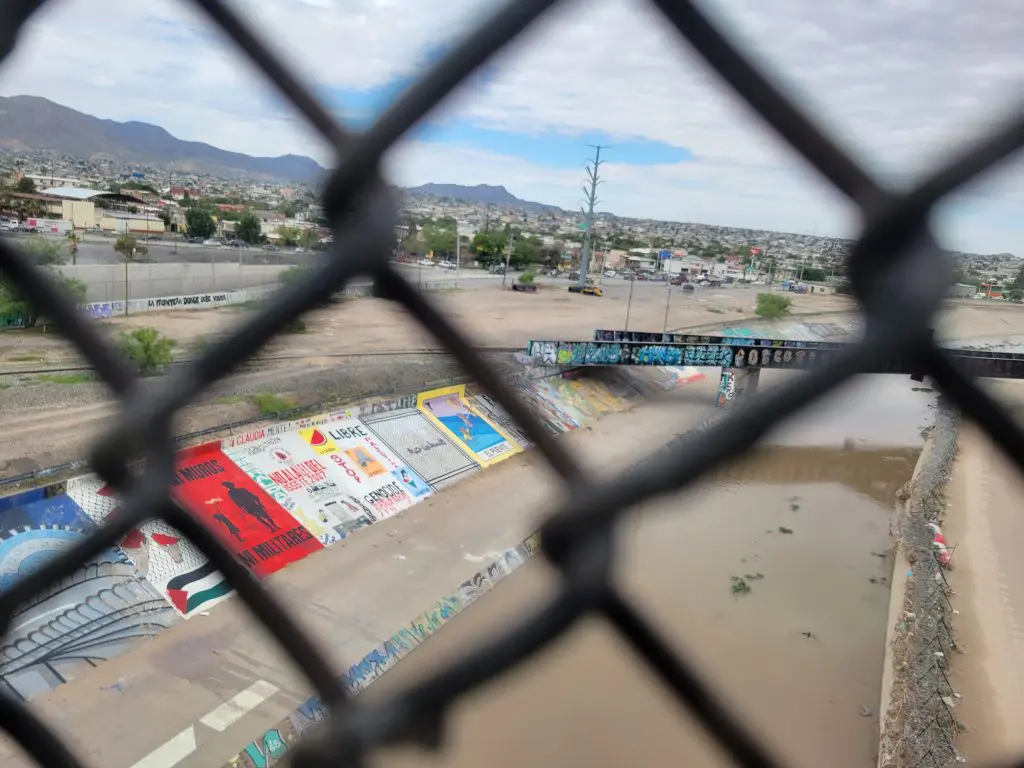
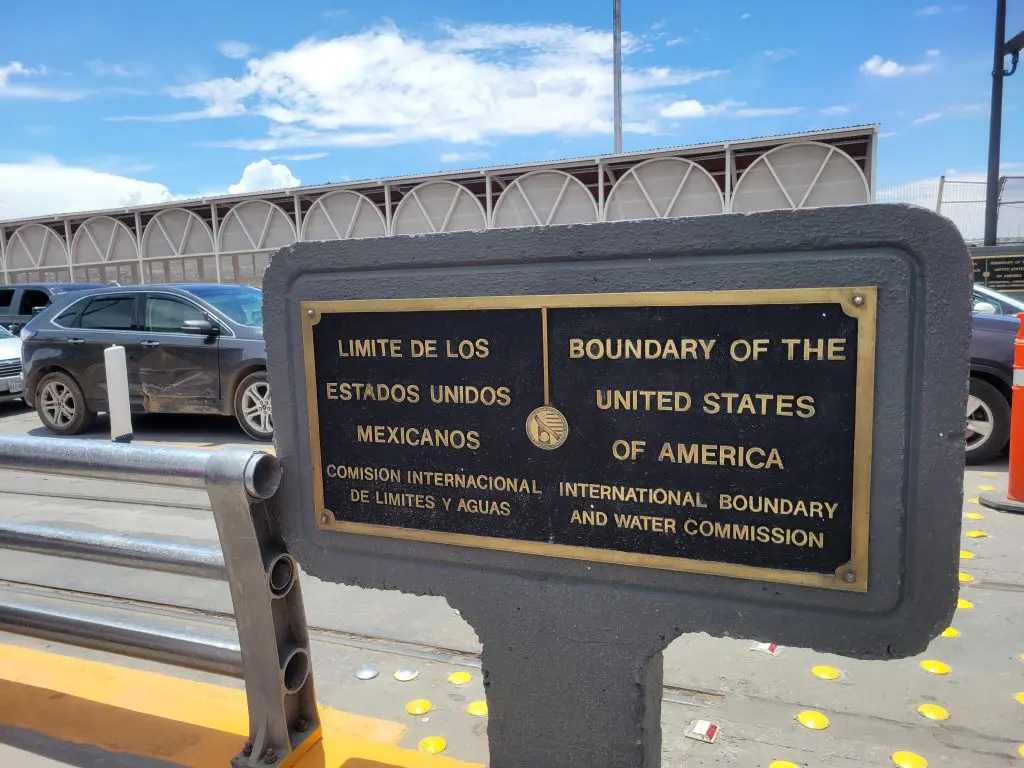
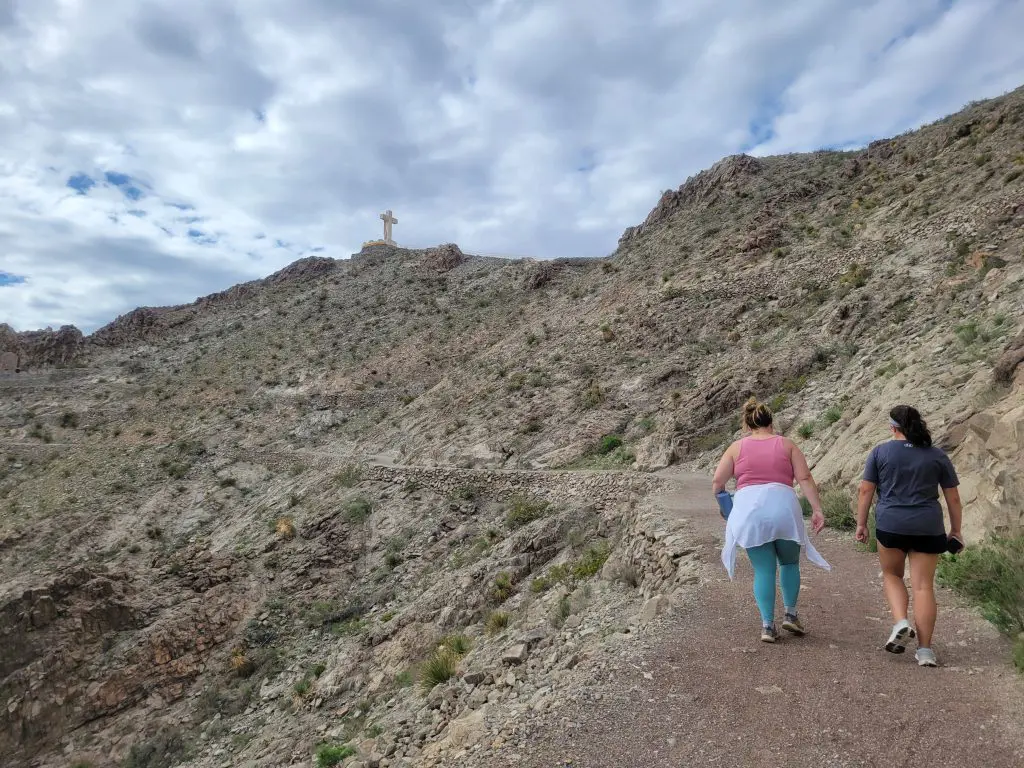
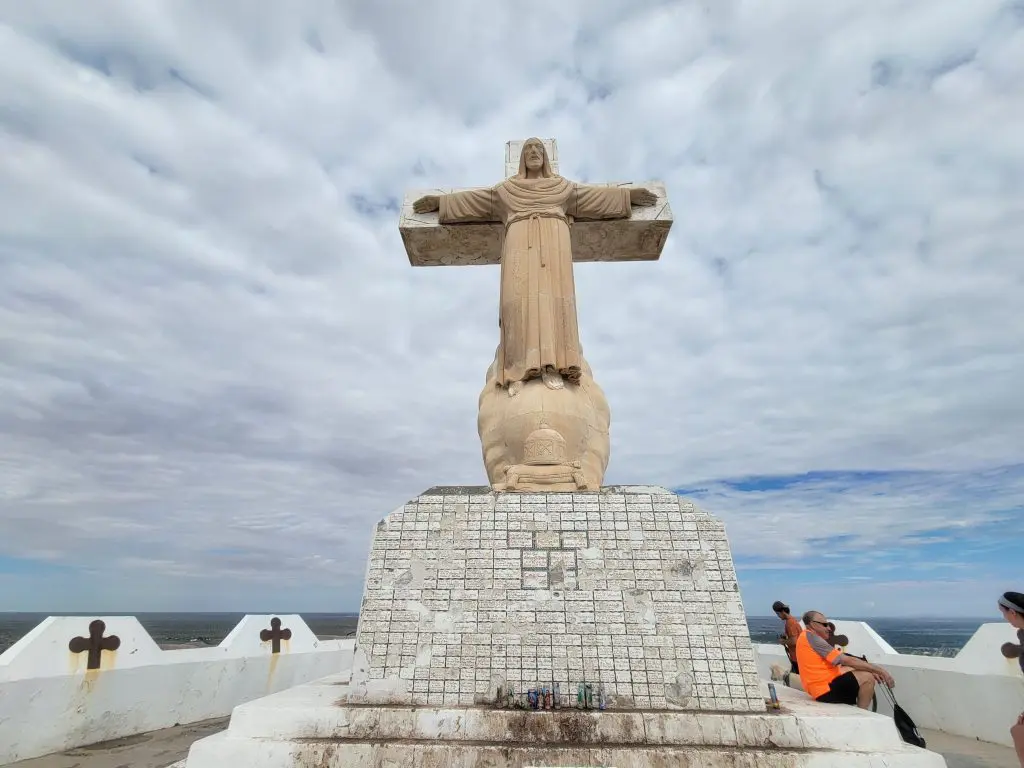
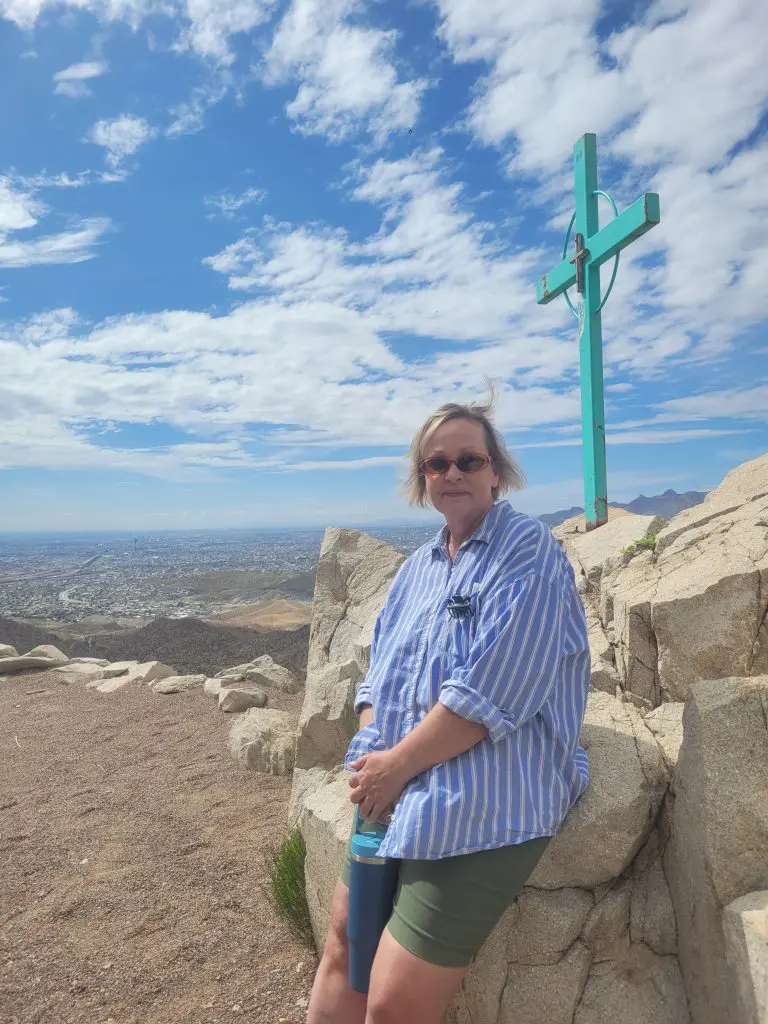
Participants prayed a modern Stations of the Cross, reflecting on various migrant stories while climbing up Mount Cristo Rey, which lies directly on the U.S.-Mexico border. During the climb, the group encountered U.S. Customs and Border Protection agents.
As he prayed, Michael Specht, campus minister at St. Joseph’s Collegiate Institute in Buffalo, New York, said he felt a strong sense of solidarity with migrants and refugees who suffer and found “consolation in knowing that our God is a God of love, justice and mercy, who calls on the people of God to look out for these and other marginalized peoples.”
This experience, he continued, “reinforced my belief that my baptism calls me to see all of God’s creation as my brother, sister and sibling, not just those who carry the same passport as me. If I see people in El Paso and Juarez (as) siblings who are worthy of love, care and compassion, then that sense of radical love and inclusion has the power to break down national barriers that so often deprive people of their innate dignity.”
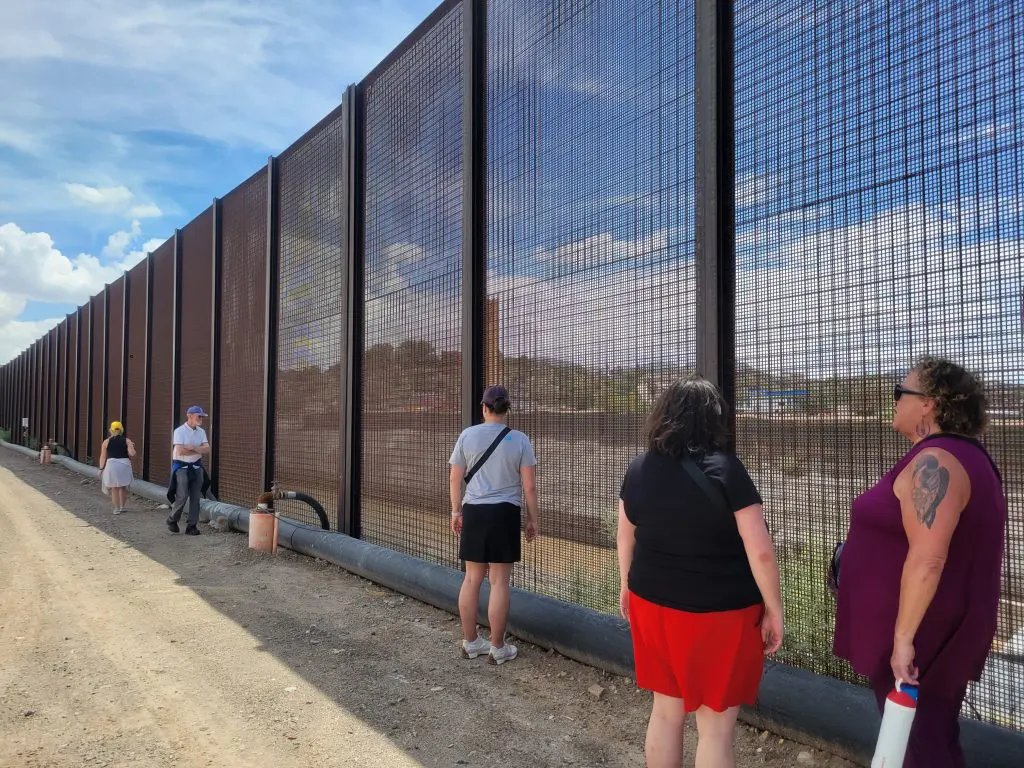
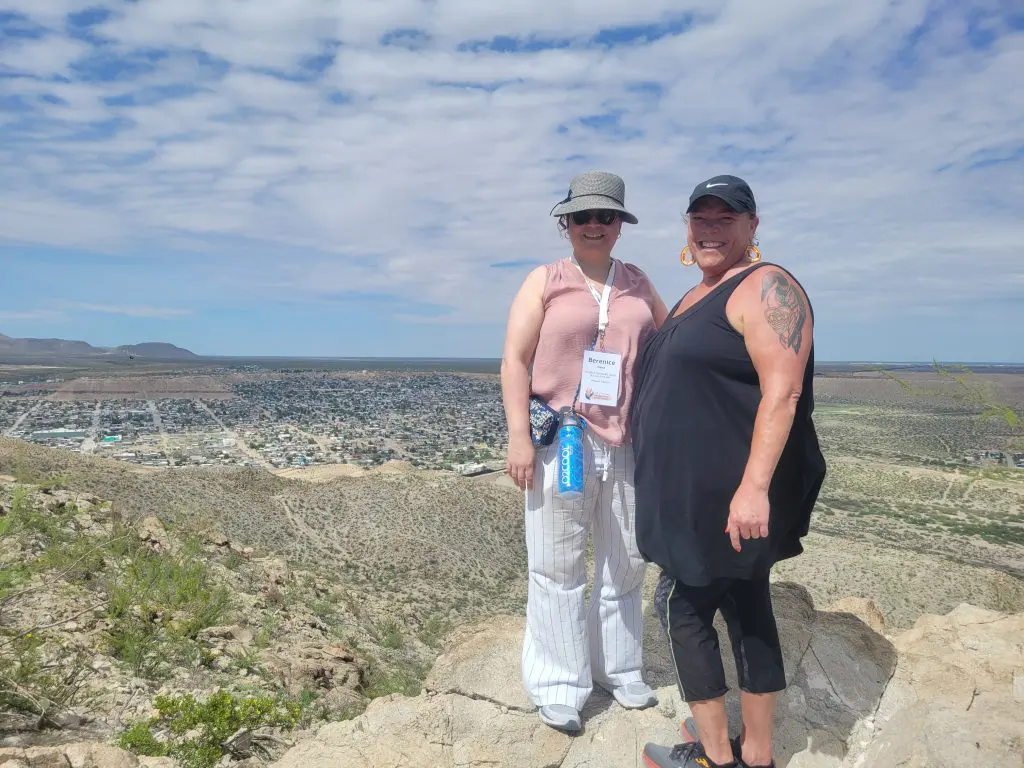
Brother Christian Camacho found his own expectations challenged through this experience, he said, describing the border wall as “not as scary” as how he’d seen it described in the media. On the contrary, he noted a relief he felt when from the mountaintop his two feet were “(higher) than the wall that separated me from my brothers and sisters.”
The Midwest Brother added, “(Seeing) the border did not stop me from wanting to do good; it stopped me from feeling paralyzed, stopped me from being hopeless.”
The group observed a number of immigration court hearings, in which many migrants were seeking asylum. Masked U.S. Immigration and Customs Enforcement agents were present outside the courtrooms.
For Ivette Mendoza, English teacher at Sacred Heart Cathedral Preparatory in San Francisco, California, witnessing the migrants write a phone number on their arms before their court hearings and noting how they had to advocate for themselves without their lawyer present particularly struck her. In encountering the agents following the court hearings, she recounts feeling “unsettled” seeing the “complex, human side of immigration.”
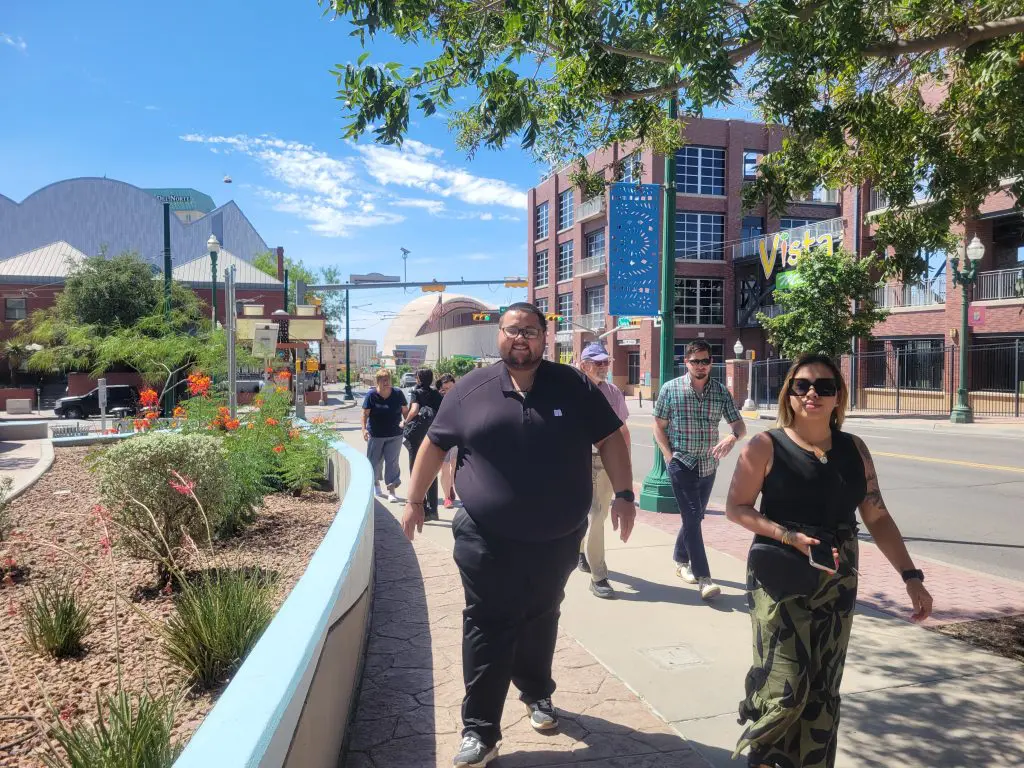
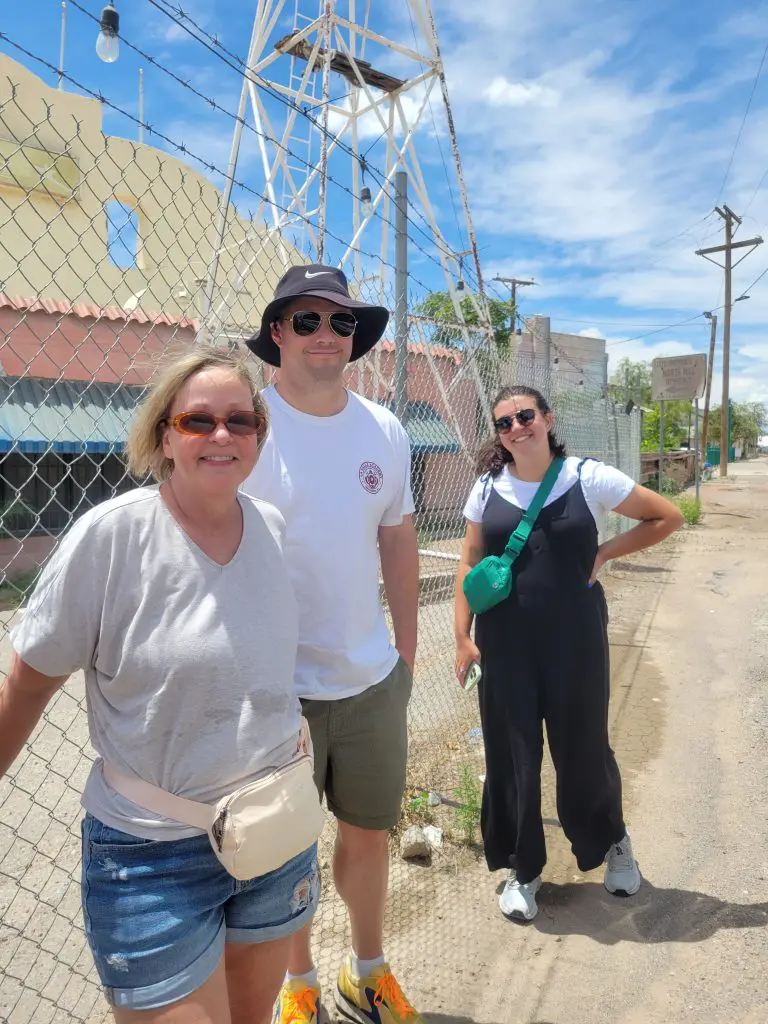
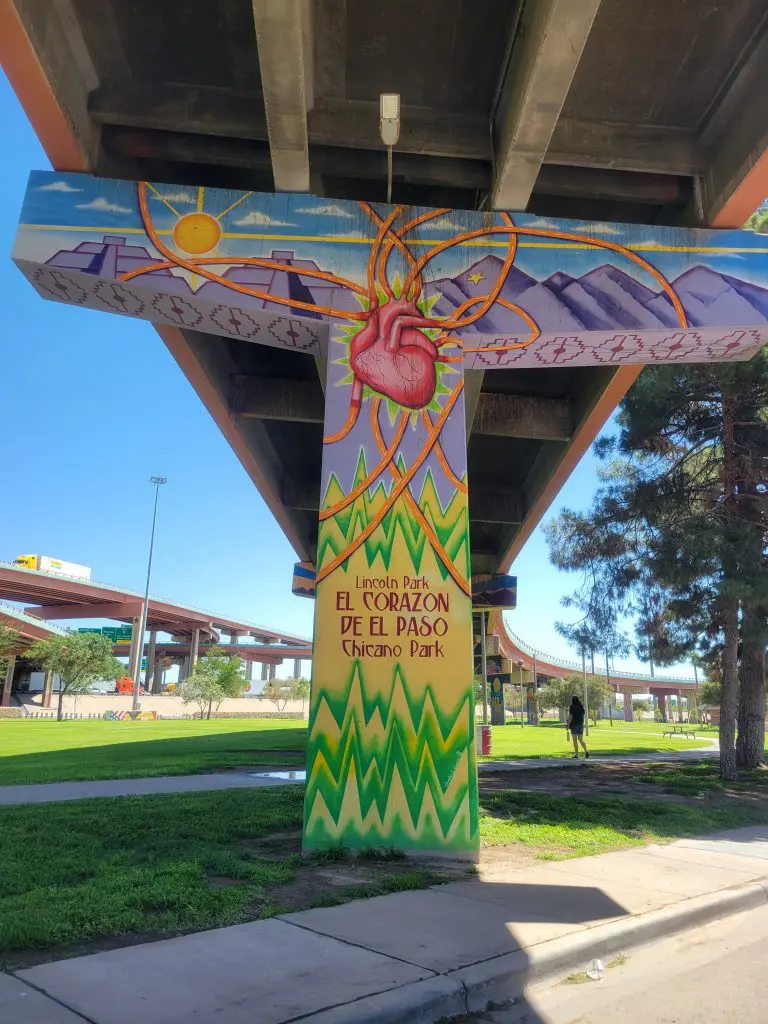
Each day began in prayer, including reflections on the lives of immigrant Saints Frances Cabrini, Patrick, and Josephine Bakhita, and ended with time for group reflection. During the day, participants explored El Paso and connected with local community partners, including local shelters, lay missioners and a community muralist.
In seeing the local rallied efforts, Specht said he was “heartened that the Christian Brothers and the Lasallian network at large are willing to stick their necks out for these marginalized groups, which stems from the Gospels and the teachings of Jesus.”
Mendoza also appreciated “the shared commitment and solidarity among those involved in this work.” She continued to share plans of “raising awareness about the complexities of migration and the importance of approaching these issues with empathy and open-mindedness” back in her ministry.
Participants left the program feeling empowered to relay all they learned with their ministries.
Wick plans to share her experience with her ministry, she said, and hopes to feature the “true history, stories or real people, cultural art and the Lasallian mission at the borderlands” in her work moving forward.
LSJI is a formation program from Christian Brothers Conference, the office for the Lasallian Region of North America (RELAN). Learn more about LSJI.