By Emily Vogel
Emily Vogel, director of 1 La Salle in the Lasallian Region of North America (RELAN), details the events and highlights of last month’s Institute gathering of international foundations and nonprofit leaders in Rome.
Bridging the Gap, the first international meeting of Lasallian nonprofit organizations, brought together over 50 participants, representing 5 Regions and multiple districts from across the globe to the Generalate of the Brothers of the Christian Schools in Rome. Organized by the La Salle Foundation, and in the synodal spirit of 1 La Salle, this inaugural event was designed to unify the global network of foundations that are dedicated to acquiring financial support for most vulnerable ministries. In response to shifting global challenges that impact financial stability, the conference emphasized the urgent need for intentional collaboration, effective strategy, and innovative solutions to sustain our educational mission with a sense of shared responsibility.
Brother Chris Patiño, General Councillor and president of La Salle Foundation, set the tone for the week by highlighting how a unified Lasallian mission can offset global uncertainty. His message was clear: When we act as a single entity — together and by association — we overcome the instability of frail markets and failing governmental leadership. Ultimately, this deep solidarity transforms our collective efforts into a source of hope.
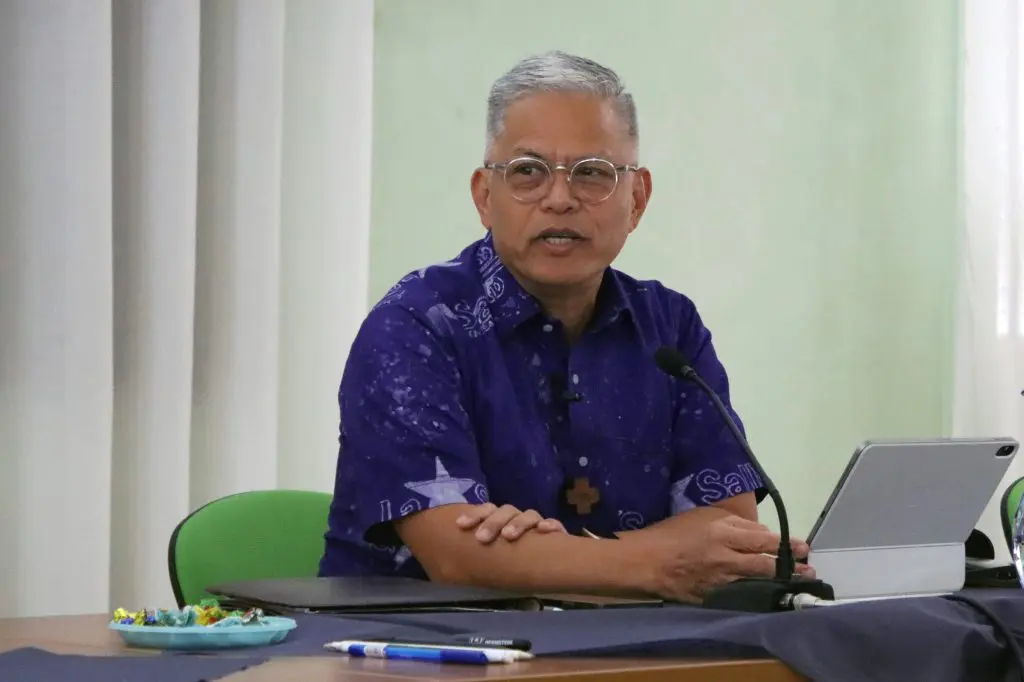
In Superior General Brother Armin Luistro’s address, he highlighted the effectiveness of our foundations: “You initiated feeding programs, rebuilt classrooms, opened soup kitchens, offered legal aid for free, responded to emergencies, brokered cooperatives, supported girl education, advocated peace initiatives, stood with indigenous communities. … You stayed when funding ran dry. You improvised when systems failed.”
He also challenged the participants: “Can we project ourselves as a global network of interconnected foundations with a shared educational mission toward creating a global impact on poverty and exclusion? Would Partners and donors give more if they recognize we have a wider reach? Would our programs be more sustainable if we seriously embarked on co-responsibility where ‘no one is so poor as to have nothing to give and no one is so rich as to have nothing to receive’?”
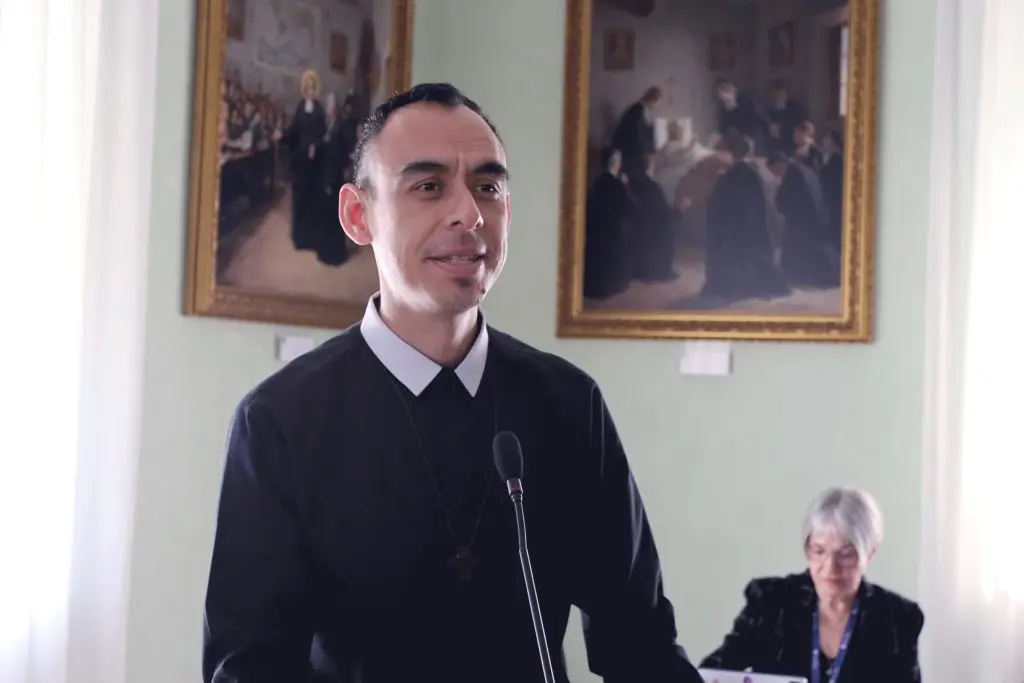
Juan Esteban Belderrain, an Argentine political scientist and expert in international cooperation, discussed the concept of “synodal cooperation” within nonprofit sectors. He observed that agencies often unknowingly fund the same projects in the same territories, while other urgent needs remain unaddressed. A central point of his address was the inherent power imbalance between donors and recipients, warning that this can lead to paternalism or colonialism by imposing external norms, language and criteria on local territories. To combat this, he advocated for radical transparency, ensuring that donors, recipients and beneficiaries alike have a meaningful voice in the decision-making process.
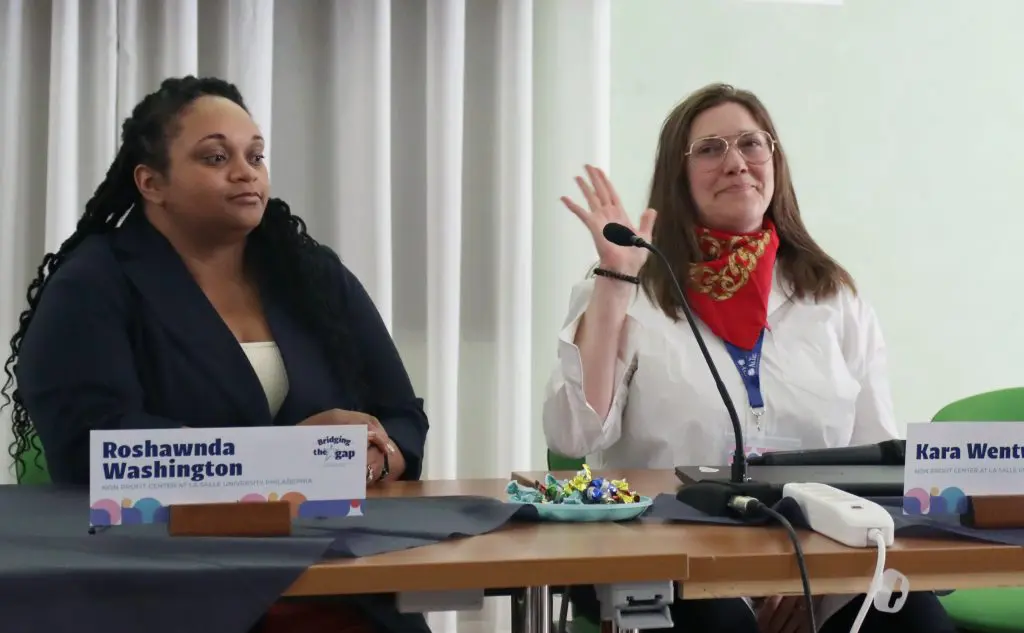
Over four intensive days, the symposium focused on tools for success: strategic planning, impact measurement, fundraising diversification, and network enhancement. Representing the Lasallian Region of North America, Kara Wentworth and Roshawnda Washington from The Nonprofit Center at La Salle University led a strategic planning workshop that gave attendees practical tools to use with their programs, staffs and boards, to build collaboration that can effectively anticipate and respond to challenges.
Other RELAN participants included Dr. Mary Fox, AFSC, professor emerita of Saint Mary’s University of Minnesota who served as one of the main moderators; Kelly Laflamme, former Lasallian Volunteer and current member of the Board of Directors for La Salle International Foundation, and Emily Vogel, director of 1 La Salle for Christian Brothers Conference.
Learn more about 1 La Salle in RELAN.
Photos courtesy of the Generalate’s Office of Information and Communication