At LASSCA 2026, Lasallian Leaders Encouraged to Anchor Mission in Faith

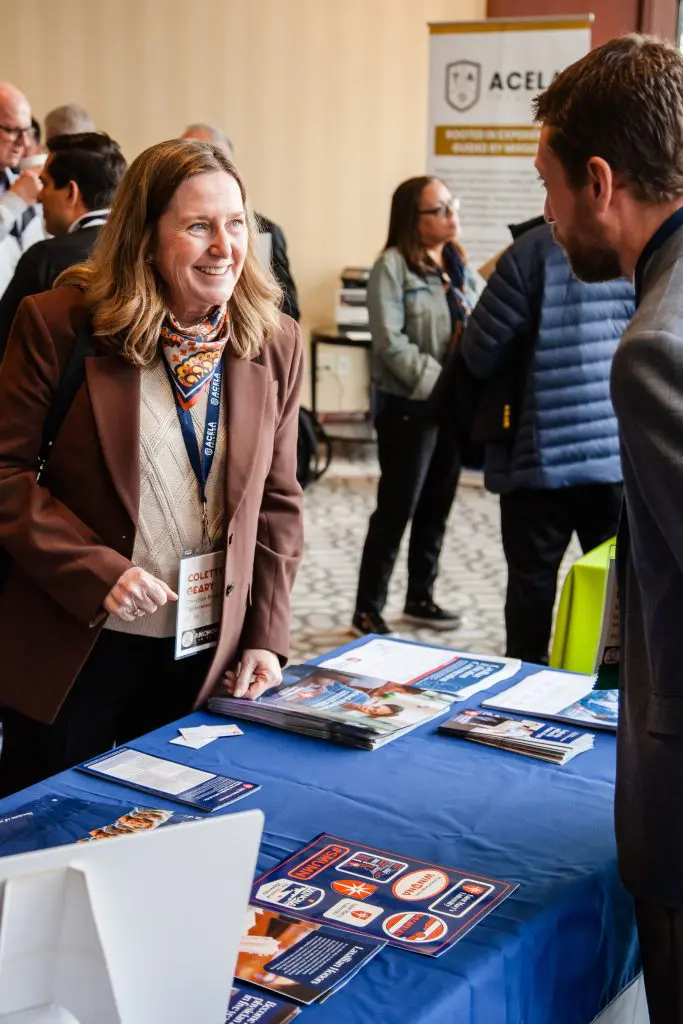
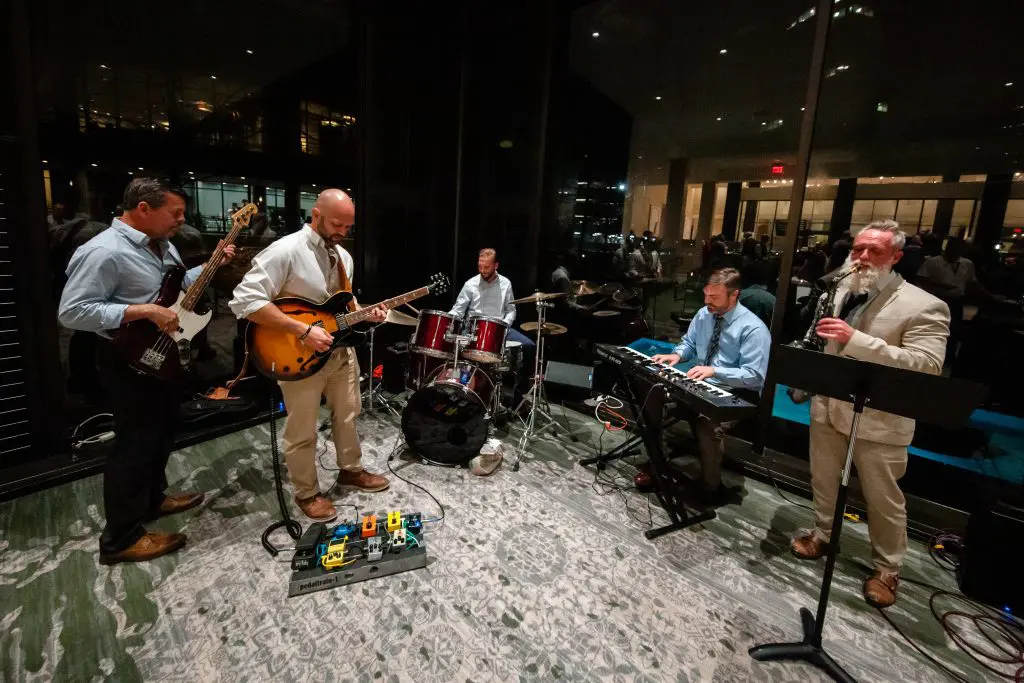
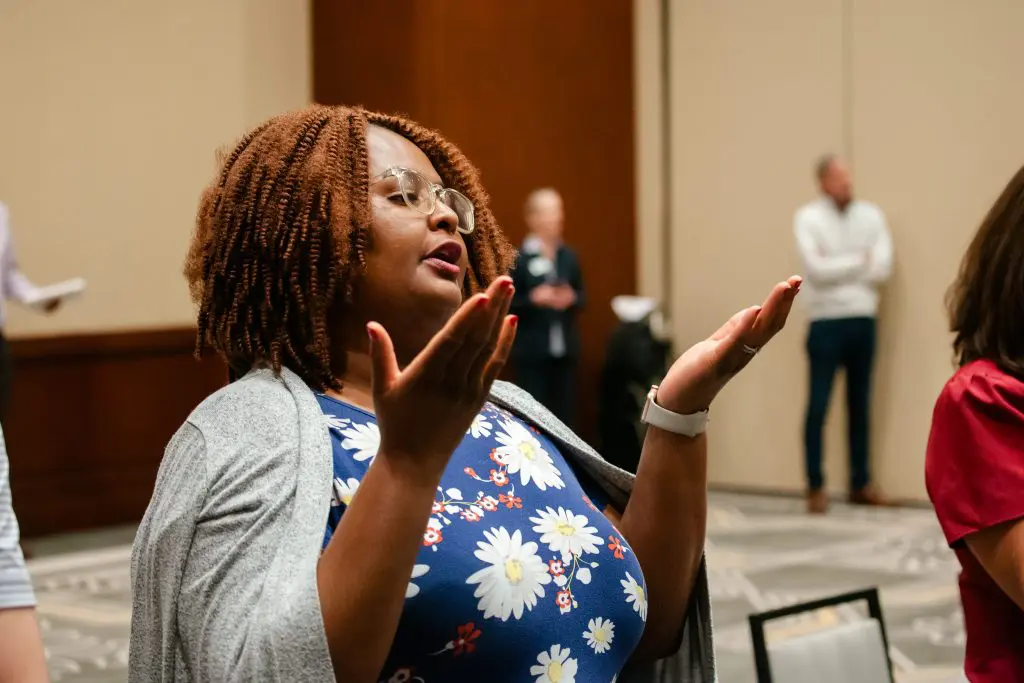
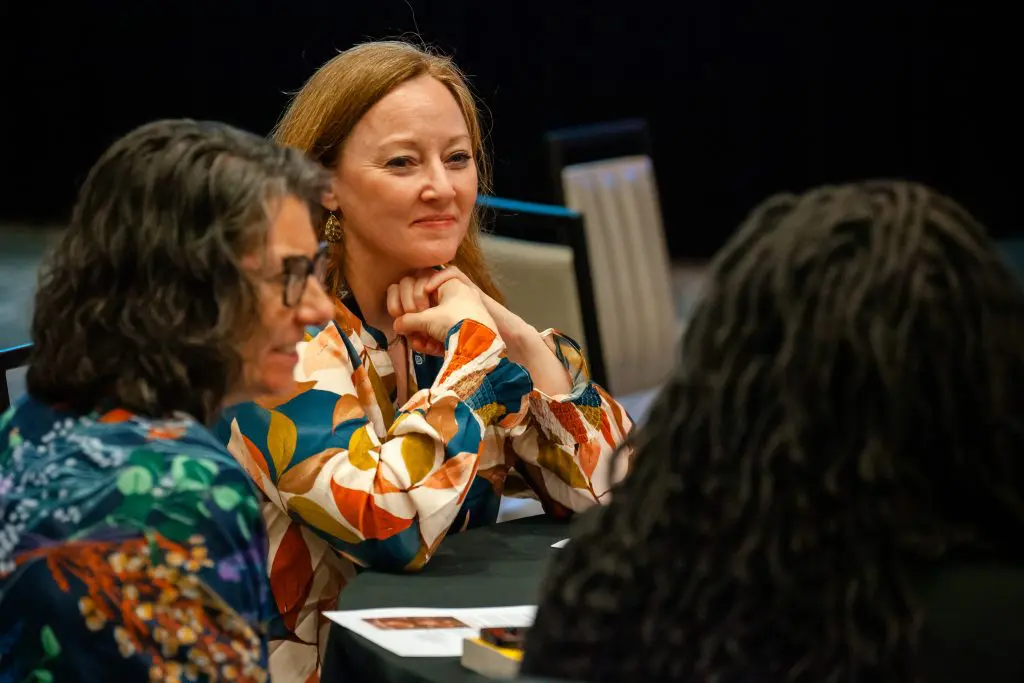
More than 130 presidents, principals and board chairs attended the 2026 Lasallian Association of Secondary School Chief Administrators (LASSCA) conference in Houston, Texas, March 1-4. Themed “Anchored in Faith: Leading Lasallian Schools Amid a Shifting Society,” the conference offered chief administrators the opportunity to deepen their formation while also exploring the evolving needs of their educational communities.

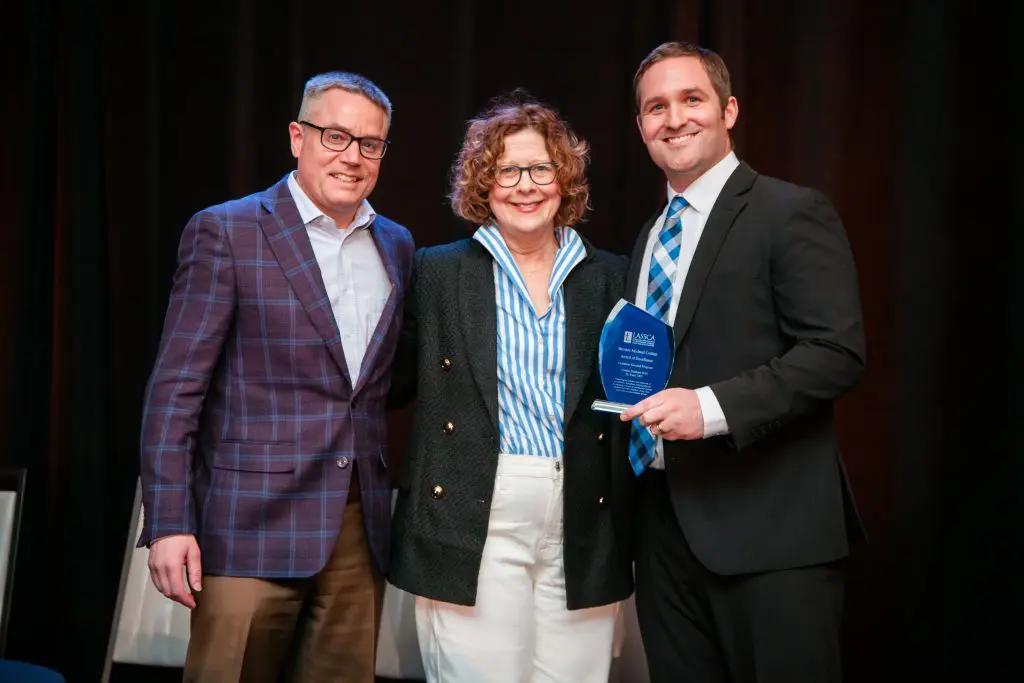
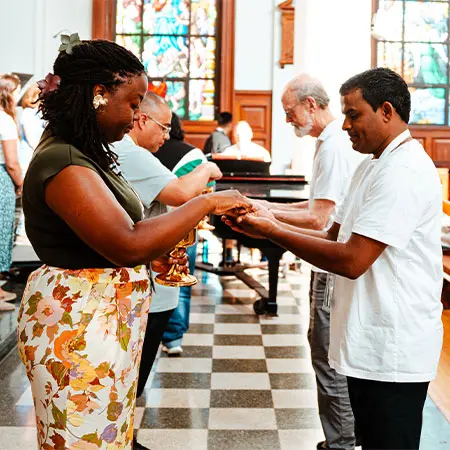
The conference began with an opening Mass, followed by remarks by LASSCA vice president, Dr. Chris Fulco, president of St. Joseph’s Collegiate Institute in Buffalo, New York. The Brother Michael Collins Award of Excellence, which recognizes excellence in a Lasallian secondary school and exemplifies the values, standards and passions of Brother Michael, was presented to the Common Ground program at Cretin-Derham Hall in Saint Paul, Minnesota.

Common Ground is a specialized, fully integrated academic and social program for students with intellectual and developmental disabilities. Launched in 2024 with two inaugural students who have Down Syndrome and 44 mentors, the program is rooted in the Lasallian charism and offers educational opportunity and personalized structure.

Monday began with prayer and a business meeting led by LASSCA president Joey Scaffidi, AFSC, president of Christian Brothers School in New Orleans, Louisiana. During the meeting, Scaffidi thanked LASSCA immediate past president Mona Passman, principal of Cretin-Derham Hall, for her service and presented her with a gift. The association also nominated and elected John Harrington, principal of Saint Patrick High School in Chicago, Illinois, as the next LASSCA vice president.

Tom Southard, executive director of Christian Brothers Conference then offered remarks and thanked Scaffidi and Fulco for their service and leadership with LASSCA.

Gold-level sponsor Christian Brothers Investment Services introduced the day’s keynote speaker, Brother Superior General Armin Luistro, FSC. In his address, Brother Armin drew inspiration from Pope Leo XIV’s apostolic letter “Drawing New Maps of Hope,” in which the pope insists that in the face of challenges, educational communities be guided by Christ’s word and respond with creativity, new possibilities, professional training, youth ministry and research.

“We cannot simply reply on the old master plan; instead we must begin educating in motion – that is, innovate and adapt in real-time, especially in navigating complex, future-oriented challenges,” Brother Armin said. He posed the questions: “How can we act locally but think globally?” and “Are we ready to share our insights, but also sit, listen and learn from the experience of others” outside of the U.S.?

Following the keynote, members of the Institute of the Brothers of the Christian School’s General Council, Brothers Chris Patiño, Rafael Céron, and Carlos Gómez, joined Brother Armin in a “Lasallian conversation” reflecting on the keynote’s message with the audience.

Dr. Melinda Lawlor Skrade, president at Sacred Heart Cathedral Preparatory in San Francisco, California, reflecting on the keynote, said, “Most of these leaders think globally. There’s a challenge to transfer those insights locally, and each of us has a privileged opportunity to do just one thing, and by doing just one thing, things could be very different by next year.”

Kevin Dougherty, executive vice president at La Salle College High School in Wyndmoor, Pennsylvania, also appreciated the Superior General’s global perspective and added that “the power of this conference is networking with other school leaders. … We need to create more time and space to share best practices across all divisions of Lasallian education.”

Monday’s schedule also included District meetings and four breakout sessions on Lasallian spirituality, crisis communications, changes in college athletics, and enrollment strategies.

One point from the Lasallian spirituality session that stood out for Jeb Myers, president at Cretin-Derham Hall, was the emphasis that Saint John Baptist de La Salle was a “responsible, pragmatic person who was very committed discerning what God’s will was. That’s something important for us all in education, to both be pragmatic, but also listen for what God’s will is for our students and our communities.”

Ian MacInnes, principal at Saint John’s College High School in Washington, D.C., attended the crisis communications session. With an undergraduate degree in communications and a master’s in education, MacInnes said he was looking for ways to further elevate school communications.

One takeaway from the session, he said, was the idea of prewritten templates and draft messages to aid in community preparedness “so that when things do pop up that you had no idea were coming down the pipeline, you’re at least a little bit more prepared than you were before.”

A popular breakout session was “Name, Image and Likeness” that focused on the transformation of college athletics. Jack Wallace, principal at Central Catholic High School in Pittsburgh, Pennsylvania, explained that one new change for football players is “the dynamic of students wanting to leave (high school) to attend college early.”

How do schools navigate a situation where a university tells “a student they will receive X amount of dollars to come to university in January and then Y amount if they come in May, incentivizing students to leave early and thus putting a strain on Lasallian schools,” Wallace said, relaying a point from the session.

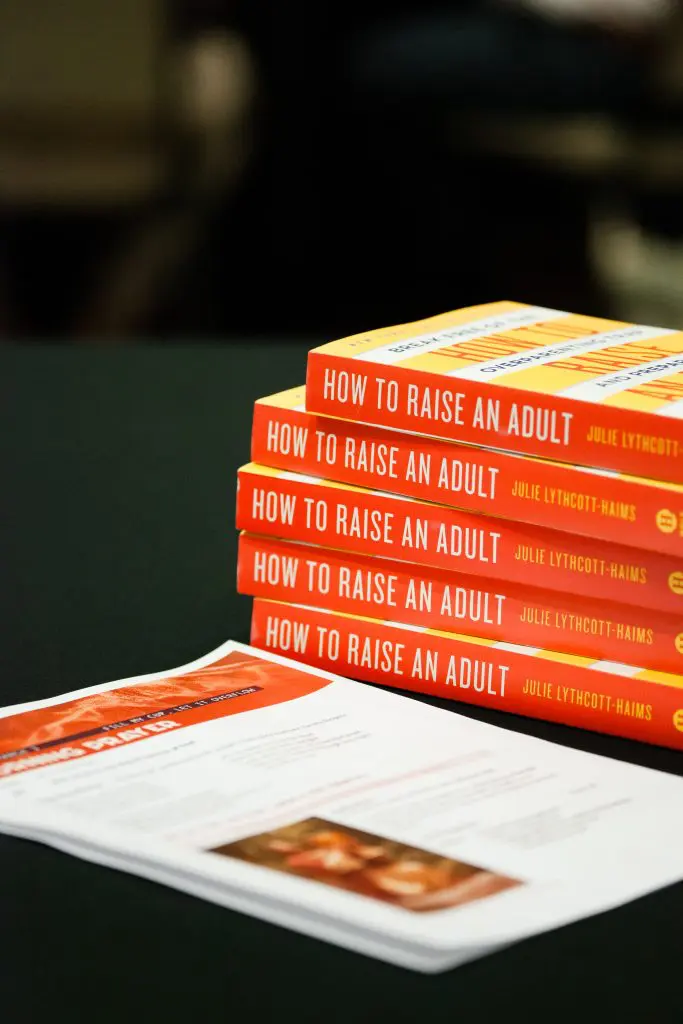
On Tuesday morning, New York Times bestselling author and TED speaker, Julie Lythcott-Haims gave a keynote address titled “Your Unique Role in Helping Kids Thrive.” Lythcott-Haims motivated the audience to remember their “why” – Why did I become a teacher? Why did I go into this subject or path?

She identified certain modern parenting behaviors that can lead young people to struggle with anxiety, confidence and a lack of resilience. Through personal stories and research-based insights, Lythcott-Haims offered recommendations that educators can try when building autonomy in students: treat each student with kindness and dignity; practice “mirror listening,” i.e., repeat what a student has said to validate their experience; encourage students in their ability to handle their current situation; and ask if they want advice before offering it.

Nicole Freeman, principal at La Salle Academy in New York, New York, said one takeaway from the keynote was how to help parents not “get in the way of their children.”

“Often we tell the kids, ‘You’re getting in your own way,’” said Freeman, but the keynote shed light on the fact that “we’re here to educate the students, but we also need to educate the parents” through more consistent outreach even after freshmen year. “Part of our mission is: How are we helping these families get a quality education?”

The 2027 LASSCA conference will convene in Anaheim, California, Feb. 28- March 3.

Applications for the new Lasallian Pedagogy Fellows program are open now through May 1. Applicants will be notified of their status by June 1.

Christian Brothers Conference has created a Frequently Asked Questions document for those considering applying to the program.

Beginning September 2026, the program will invite participants to deepen their knowledge of Lasallian pedagogy while engaging in three in-person sessions and 10 virtual sessions over 18 months. The inaugural cohort will accompany one another on a journey as fellow learners by exploring where we come from as Lasallian educators while prayerfully considering how and why Lasallian educators continue to be relevant in meeting the needs of young people today. In community, participants will discern how their personal vocation aligns with the underlying and overarching principles and historical impact of the Lasallian educational mission. Together they will enhance and sustain an understanding of contemporary Lasallian pedagogy.

The inaugural group will be led by Dr. Michael Daniels, director of education for the District of San Francisco New Orleans.

Apply today.

Visit the Fellows webpage.


Frequently Asked Questions

I’m trying to decide between Buttimer and the Lasallian Pedagogy Fellows. Which should I choose?

The Lasallian Pedagogy Fellows program is an advanced, in-depth study in contemporary Lasallian Pedagogy. The successful applicant will likely have completed the Buttimer Institute of Lasallian Studies or another advanced formation program (CIL, Brothers’ formation, etc.) and will have an advanced degree or certificate in education. 

What are the dates?

The 10 Zoom sessions will be scheduled once the cohort is set but will likely be in the late afternoon / early evening, so as not to conflict with ministerial commitments. We ask you to set aside 90 minutes for each Zoom session so that the conversations do not go longer than that. 

The three in-person dates will be as follows: Sept. 25-27 (Chicago, IL); March 2027 (TBD) and February 2028 (TBD). 

I heard about the Spirituality Fellows program. Can I do both?

In 2025, Christian Brothers Conference launched the Lasallian Spirituality Fellows program, which closely parallels the Pedagogy Fellows program. The next cohort of the Spirituality Fellows is expected to begin in August 2027. Each program is designed to be an immersive experience that requires time, reflection and commitment. To ensure participants can fully engage with the content of each program, we encourage applicants to choose the one that best fits your current interests and needs and consider applying to the other in a future year.

How many people will be accepted?

We anticipate a first cohort of 10 to 12 fellows. This small group will allow for deeper relationships, a richer learning experience and more meaningful conversations.

What if I’m not accepted? Will I have another chance in the future?

Yes. This is our inaugural cohort. We plan to run this program regularly. 

How do I make sure my application is strong enough?

We want to understand your background, and your interest in the program. Why does this matter to you, and how will you use it to benefit your ministry, your District or the Lasallian educational mission? We will take your personal philosophy of education and your recommendation letter very seriously.

Is there actually no cost?

Christian Brothers Conference is covering the cost of the facilitator, presenters, the books that you will be read (which will be sent to you throughout the program), and the facilities and meals during the in-person sessions. You or your ministry is required to cover the cost of travel to the three in-person sessions.

Can I be a presenter on Lasallian pedagogy when I complete the program?

Most likely. Our hope is that the fellows will have an expertise in Lasallian pedagogy that will help them to support Lasallians, ministries and initiatives important to the Institute. They might be invited to speak at schools, they might author reflections or articles, or they might support ministry, District or Regional formation programs.

Questions?

Any questions on the program may be sent to Sarah Laitinen, director of education and formation, at slaitinen@cbconf.org.

By Dr. Kurt Schackmuth

The following essay is adapted from a presentation that Dr. Schackmuth offered as part of the third “Cluster Visit” that took place at the Generalate in Rome, Italy, Feb. 16-20. More than 30 Christian Brothers and Lasallian Partners from 10 Districts and Sectors across the Institute joined the Superior General and his Council to discuss synodality, governance, association, vocation and formation.

“Be sure to spend some time with the Christian Brothers. They’re good men and they were very kind to me when your father died.” My mom offered this counsel as I began my undergraduate studies at Lewis University in the fall of 1993. Enrolling at the institution where my father, a sociology professor, had taught for 14 years before his untimely death from leukemia at age 39, carried deep personal significance. Yet it was my experience living alongside the Christian Brothers at De La Salle Hall, a student residence integrated with a community of retired Brothers, that proved to be especially formative and life-shaping.

As a student at De La Salle Hall, we shared meals each day with the retired Brothers of Christian Brothers Center, attended Mass with the community, and participated in social gatherings that brought us all together. Our encounters with these retired teachers and administrators were marked by conversation, hospitality, friendship and storytelling. They provided an education and “early Lasallian formation” for me that extended well beyond classroom and campus ministry experiences.

After graduation, I accepted an entry level office assistant position at Lewis working alongside Dr. Stephany Schlachter, then-vice president for mission and planning, and Brother James Gaffney, FSC, then-president. Their mentorship introduced me to what we now call “mission integration” work in Catholic higher education and laid a strong foundation for my growth as a Lasallian higher education executive.

My initial formation was soon strengthened through participation in the more formal and intensive three-year Buttimer Institute of Lasallian Studies at Saint Mary’s College of California in the early 2000s. That experience contributed significantly to the development of my Lasallian identity. I am blessed to have learned from some of the most respected figures in Lasallian scholarship and formation, including Brothers Luke Salm, Gus Loes, Gerard Rummery, Jeffrey Calligan, William Mann, and Don Mouton, along with Mimi McCaul, AFSC. They have all had a lasting impact on my knowledge and understanding of the Lasallian charism.

One does not, of course, “become Lasallian” simply through participation in a formation program. The very notion of becoming Lasallian resists precise definition, as it reflects not a destination but an ongoing journey shaped by lived experience, meaningful relationships, and sustained formation and professional development over time. Much like the Founder himself, I was led step by step, often in ways that were not immediately apparent or fully anticipated. Now, nearly 30 years into my service at Lewis University, and shaped by countless opportunities for professional growth, formation and generous accompaniment, I have come to a deeper understanding of what it has meant for me to “become Lasallian.” 

I am fully aware that my own journey has been distinctive and that each person comes to participate in the Lasallian mission in unique and particular ways. Reflecting on my own story reminds me of the importance of accompanying others as they “become Lasallian.” This conviction is what gives such depth and meaning to my responsibilities related to hiring, orientation, formation, accompaniment, and vocation exploration in my work at Lewis University, as well as in my roles as a Regional formator and CIAMEL (International Council for Lasallian Association and the Educational Mission) delegate.

When reflecting on Lasallian identity, formation, accompaniment and vocation, it is evident that these dimensions of our charism have undergone significant growth and development over time. The vitality of the mission is reflected in a robust body of recent Institute documents that both extend and enrich our historic foundational “core texts.” Equally important has been the increased involvement and deepened commitment of lay Partners, evident in the expanding influence of structures such as MEL/mission councils, Institute councils and commissions, the ministry of Lasallian animators, three AIMEL (International Assembly for the Lasallian Educational Mission) assemblies, CIAMEL as an Institute level governance body, and lay leadership across ministries, Sectors, Districts, and Regions. Alongside these developments, a growing number of engaged Lasallian educators women and men, young Lasallians, volunteers, and mission leaders have demonstrated a strong commitment to their respective vocations, with women exercising particularly significant leadership and influence throughout the Lasallian family.

However, despite these successes, Lasallian ministries today face a number of interconnected challenges that affect their vitality and sustainability across the Institute, among them:

  1. Employment patterns within Lasallian ministries often result in higher levels of turnover, as Partners (despite strong initial commitment) frequently leave after only a few years to pursue other professional opportunities, leading to the loss of expertise and leadership.
  2. At the same time, formation programs, while essential, can be costly, time intensive, and difficult to access for Partners who carry significant family, personal and work responsibilities.
  3. These challenges are further compounded by ongoing restructuring, as Regions, Districts and Sectors continue to evolve at a rapid pace.
  4. The diminishing number of Brothers available for accompaniment and mentorship presents an additional concern, particularly when some Brothers may not fully recognize or embrace the evolving opportunity to accompany Partners in our shared mission.
  5. Varied understandings of association, along with differing structures and terminology across the Institute, can also create confusion, especially around the meaning of “Lasallian family.”
  6. Broader global demographic trends, including aging populations in some Regions, slower population growth, increasing urbanization, and heightened migration and mobility, also shape the context in which the Lasallian mission is carried forward.
  7. Finally, while “synodality” offers significant promise, its value and processes are not universally understood or embraced, with some questioning its effectiveness as a model for leadership and decision-making.

Clearly, there remains much work for us to undertake together! Encouragingly, the 46th General Chapter provides both inspiration and a roadmap for this ongoing effort, particularly through two “Pathways” devoted to the exploration of these themes and opportunities: Pathway Five, focused on association, and Pathway Six, centered on Lasallian vocations and association. Here are several significant opportunities that lie before us as we continue the important work set in motion by the participants of the 46th General Chapter three years ago:

  1. Chief among these is the opportunity to form both Brothers and Partners as “Lasallian educators” in new and innovative ways that strengthen identity, deepen commitment to the mission, and clarify their shared role as stewards who are co-responsible for that mission.
  2. Closely related is the development of “Next Generation” formation programs that respond to contemporary realities through diverse forms, modalities, and levels of engagement, while balancing invitation and expectation for participation in Lasallian ministries and schools.
  3. There is also an important opportunity to help Brothers more fully understand their distinctive role in accompanying Partners as mentors and sources of inspiration, while likewise encouraging mutual accompaniment in which Partners are invited to support and accompany the Brothers.
  4. Clarifying the identity and vocation of the Brother in the 21st century remains essential to this work, as does the ongoing task of building trust, strengthening relationships, and creating conditions for meaningful collaboration.
  5. Finally, there is a pressing opportunity to ensure a shared understanding of co-responsibility within the mission, so that all who serve in Lasallian ministries can act with clarity, confidence and a common sense of purpose.

To “become Lasallian,” then, is not to arrive at a finished identity but to remain open to an ever-deepening call, one shaped by relationship, accompaniment and faithful attentiveness to the signs of the times. My own journey has taught me that Lasallian identity is sustained not only through programs or structures, but through a shared commitment to association, mutual trust and co-responsibility for the mission entrusted to us. As we look to the future of Lasallian education, the work that lies before us is both demanding and hopeful: to form educators who understand and appreciate their vocation, to accompany one another with generosity and humility, and to ensure that the charism entrusted to Saint John Baptist de La Salle and the Christian Brothers continues to take form in new generations.

Live Jesus in our hearts!

Dr. Kurt Schackmuth is chief mission officer and vice president for student life at Lewis University and the Lasallian Region of North America’s delegate to CIAMEL.

Dr. Sara Troyani has been selected as the next principal of Saint Mary’s College High School in Berkeley, California, effective July 1.  

Troyani has served the Saint Mary’s College High School community since 2015 as assistant principal for academics and as an instructor in Latin America history and Spanish. She has more than 20 years of experience in education, having taught at the Catholic secondary school and university levels, including University of California, Berkeley, and the University of Notre Dame.  

Troyani holds a doctorate from the University of Notre Dame, a master’s degree from the University of California, Berkeley, and a bachelor’s degree from Cornell University.  

Read the announcement from Saint Mary’s College High School.  

Dr. Christopher Sindt has been appointed as the next president of Lewis University in Romeoville, Illinois, effective July 1.  

Since 2018, Sindt has served as the university’s provost, overseeing academic affairs, enrollment management, student life, athletics, and campus safety. A university announcement stated that Sindt played a key role in furthering the university’s strategic plan, strengthening student success, expanding academic innovation, and positioning Lewis for growth and impact.  

Sindt previously held roles at Saint Mary’s College of California, where over the course of 17 years he served as program director of the MFA program in creative writing, associate dean of the School of Liberal Arts, dean of the School of Education, vice provost for graduate and professional studies, and vice provost for academic affairs.  

Read the announcement from Lewis University.  

Roxanne Eubank, Ed.D., died on Feb. 21, 2026, following a long illness.

Eubank served at Saint Mary’s University of Minnesota for 30 years in a variety of roles, including as director of the Institute for Lasallian Studies and faculty member in the Educational Leadership doctoral (Ed.D.) program. Among her great contributions to her university and beyond, Eubank led the International Association of Lasallian Universities (IALU) Leadership Program for many years, founded the International Lasallian Research Symposium, and co-founded AXIS: Journal of Lasallian Higher Education and served on the journal’s editorial board.

In 2021, the Lasallian Region of North America presented her the Brother John Johnston Award. She and Dr. Mary Catherine Fox, AFSC, were the first two women to be presented with the award, which honors individuals who have made an indelible mark on the Lasallian mission through scholarly research, leadership, the written word, teaching, witnessing, evangelizing or demonstrating zeal for the mission. Eubank was a pioneer in scholarly research on women in the Lasallian story and fostered research by others on this topic.

Eubank contributed significantly to dialogues visioning Lasallian association into the future through her service in roles at the District and Regional level, and through presentations at Huether Conferences and the Buttimer Institute of Lasallian Studies. She also helped design the Brother John Johnston Institute of Contemporary Lasallian Practice.

Eubank participated in the Region’s first Lasallian Women’s Symposium and the 2nd International Mission Assembly, both held in 2013. The Midwest District honored her as a Distinguished Lasallian Educator in 2012.

Roxanne’s Celebration of Life will be:

Monday, March 16, 5-7 p.m.
Mancini’s Char House
St. Paul, MN

Brother George Van Grieken, FSC, Ph.D., has written a new book, titled “Holy Audacity: A Short History of the Lasallian Charism and Mission.” The text offers a concise and accessible history of the Lasallian educational movement from its origins under Saint John Baptist de La Salle in 17th-century France to its global expressions today.

The book brings to life key events, leaders and the enduring spirit of faith, zeal and communal audacity that inspired generations of educators. “Holy Audacity” shows how a bold commitment to educating the poor, grounded in trust in God’s providence, continues to animate Catholic education today.

Lasallians are invited to the book launch party, which includes a book discussion followed by lunch, on Friday, March 20, at Mont La Salle in Napa, California. “Holy Audacity” will be available for purchase on Amazon at a later date.

RSVP here for the book launch by Friday, March 6, to secure your place. Please contact Elizabeth Jodice at ejodice@cbconf.org with any questions.

Christian Brothers Conference’s booklet, “A Lenten Journey for Educators With Saint John Baptist de La Salle,” is now available digitally. Earlier this year, CBC sent copies of this six-week Lenten devotional to each ministry. Each week offers a Gospel-centered theme paired with insights from De La Salle, a brief story drawn from the life of the classroom and simple practices or reflection and prayer.

Download a pdf of the full Lenten booklet or go week by week through the links below.

Week 1: Conversion of Heart
Week 2: Return to Me
Week 3: Humility and Simplicity
Week 4: Patience and Compassion
Week 5: Zeal and Sacrifice
Week 6: Christ Crucified
Easter: The Risen Christ in Our Vocation

Christian Brothers Conference is launching a Lasallian Pedagogy Fellows program that will begin September 2026. This program will invite participants to deepen their knowledge of Lasallian pedagogy while engaging in three in-person sessions and 10 virtual sessions over 18 months.  

This inaugural cohort will accompany one another on a journey as fellow learners by exploring where we come from as Lasallian educators while prayerfully considering how and why Lasallian educators continue to be relevant in meeting the needs of young people today. In community, participants will discern how their personal vocation aligns with the underlying and overarching principles and historical impact of the Lasallian educational mission. Together they will enhance and sustain our understanding of contemporary Lasallian pedagogy. 

Applicants must be graduates of a formation program like the Buttimer Institute, the Johnston Institute, the Lasallian Leadership Institute, or Brothers’ formation, and hold a certificate or advanced degree in education. Applicants should also be committed to sharing Lasallian pedagogy, either through local efforts or by contributing to Lasallian scholarship through the development and publication of new resource materials. 

The inaugural group will be led by Michael Daniels, Ed.D, director of the office of education for the District of San Francisco New Orleans. The application process will begin March 1, 2026, and applications are due by May 1, 2026.  Applicants will be notified of their status by June 1, 2026. Additional information on program objectives and participant profiles is forthcoming. 

“Lasallian pedagogy places the educational relationship at the center of its activity. The educational relationship carries moral obligations for the holistic welfare of our students, including the spiritual dimension. … There is much more to the Lasallian teaching encounter than the transmission of knowledge. It is a care of souls.” (Lasallian Spirituality Today, No. 35). 

Contact Sarah Laitinen, director of education and formation, at slaitinen@cbconf.org with any questions.

Each summer Christian Brothers Conference offers robust formation programs. Registration for 2026 opens in mid-February.

The Buttimer Institute of Lasallian Studies will take place at Manhattan University in Riverdale, New York, from Sunday, June 28 – Saturday, July 11. This three-year intensive Lasallian program studies the life, work and spirituality of Saint John Baptist de La Salle and the origins of the Lasallian educational mission. The Buttimer I class is capped to 40 participants through a first-come, first-served registration process.

This summer’s Lasallian Social Justice Institute (LSJI) will be held in Syracuse, New York, from Monday, July 20 – Friday, July 24, with a theme of child poverty and the work of hope. Through partnerships with local community organizations, participants will gain a deeper understanding of the lived realities of children and families experiencing poverty and the systemic forces that sustain it. Grounded in the Lasallian tradition and Catholic social teaching, the weeklong program will explore several interconnected issues impacting child poverty in the Syracuse community, including education, housing instability and food insecurity. The number of participants is limited to 12 with a maximum of two from each ministry.

The sixth cohort of the Brother John Johnston Institute of Contemporary Lasallian Practice will have its first gathering at Lewis University in Romeoville, Illinois, from Monday, July 13 – Thursday, July 16. This initial session focuses on the story and vision of Saint John Baptist de La Salle. Spanning two years, this program is designed for Lasallians who exercise or show potential for mission influence. Participants engage in prayer, study, reflection and dialogue that assist in more deeply animating our shared mission on the local level and within the broader Lasallian family.

The process to nominate or select participants is determined by ministries and/or Districts. Chief administrators are invited to use this guide to help determine which formation program may be the right fit for their colleagues.For any questions, please contact Sarah Laitinen, director of education and formation, at slaitinen@cbconf.org or (202) 529-0047 x 109.